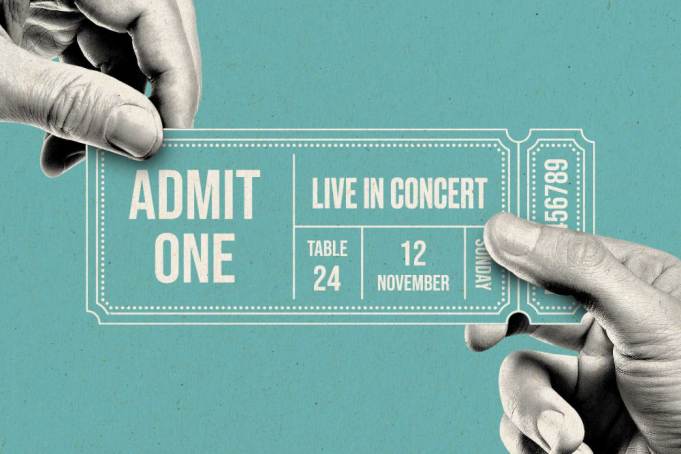
Formed in 2020 as the COVID pandemic threatened to decimate the live-entertainment business, the National Independent Talent Organization is a 501(c)(6) trade organization that represents hundreds of independent talent agencies and managers nationwide.
In a way similar to the National Independent Venue Assn., the organization sees people who were previously bitter competitors joining together for the common good — a goal that has continued after the pandemic lifted. After securing some $900 million in federal funding for agents and managers during COVID, it has expanded its purview to fighting excesses in the secondary market, issuing a report that shows resale tickets are two times more than face value on average; assisted in the banning of speculative tickets [the practice whereby tickets that don’t exist yet are put on sale] and deceptive ticket-selling practices in Maryland and Minnesota; filed a formal complaint with the FTC on World Ticket Conference and BOT Act Violators; all in the face of fierce lobbying from representatives on the secondary market.
It has also launched other initiatives in the touring world, including an in-the-works FAQ handbook for artists going on tour, and efforts to help expand the business in the vast and under-developed Northwest U.S. (beyond Seattle, Portland and Denver).
Initially wrangled into shape by veteran agent Frank Riley of High Road Touring, the organization’s board and officers have included execs from Leave Home Booking, Entourage Talent Associates, Ted Kurland Agency, Partisan Artists, Q Prime, Magnus Media, Maria Matias Music, Arrival Artist, Outer/Most, Fly South Music, Axis Management, 30 Tigers and Distance Management; its lobbyist is Diane Blagman, who also worked extensively with NIVA on getting the Save Our Stages bill passed into law.
Variety spoke with NITO’s executive director, Nathaniel Marro of Entourage Talent, about the organization’s wins and challenges — particularly in the deeply problematic ticketing business — and what’s coming next.
How did NITO come together?
In March or April 2020, Frank Riley of High Road Touring sent an email to about 14 other companies saying, “Hey, I’ve been on these calls with Live Nation and AEG, they’re talking about cancellations and refunds, and I feel like the independent space would want to know about this as well.” So that kind of started everything — we were all talking about what the future of shows were going to look like, and from that, we started having weekly Zoom calls and getting to know each other better. People knew each other in passing over the years, but never necessarily spent a lot of time talking.
And out of that, a small community grew, and realized there was potentially a political movement to help save the live music industry. NIVA formed, and then Save Our Stages [act] became Shuttered Venue Operator Grants eventually, and NITO started joining calls with them as conversations were heating up from the political process. Eventually, we got our own lobbyist, Diane Blackmon, who also works with SESAC and the Recording Academy and Grammy Foundation. Without these conversations, I doubt that talent representatives would have gotten almost a billion dollars from these SVOG grants. A lot of businesses were saved that way, and were able to keep a lot of people on salary until live shows started coming back.
And that community has held together with NITO?
Yes. I think it became clear that there was need for this kind of community in the independent world. There was a period of time where agents basically were told that you can’t be friends with other agents, and it was similar on the management side — everything was really close to your chest, “We’re all in this for ourselves.” But this process started bringing people together, and before long we were having zoom calls with like 250 people. It opened doors a lot, there’s more common sense and communal vibes. It’s still all business, but we’re definitely able to kind of talk and communicate more than we ever were before.
And also, we’ve been able to really hammer down for the advocacy side. I’m about to issue a big report on New York State ticket fees, and I’ve got a lot of people sending me [data] about all the fees that they have broken down. We were able to do a lot of reports on the secondary market, with people sharing prices that they charged or average ticket prices, those kinds of things.
We were able to collectively negotiate with both Live Nation and AEG, we’re working with NIVA, we’re working for other big promoters and venues on mutual shared terms and conditions, where we’re able to negotiate terms and conditions that are acceptable for all NITO members, should they choose to use them.
We’re also doing a lot of kind of work collectively, trying to figure out how to get past this visa issue. There’s a huge problem with visas now for artists coming into the country — a lot of these companies work with a lot of foreign artists. It’s really, really troubling when you can book an entire tour and not know if it’s going to be hung up by the visa situation.
Going back to ticketing, it’s all such a mess — do you believe it can be fixed?
I don’t think we really have a choice. I truly believe that if you disrupt the trust between fan and artist, and fan and venue, they’re going to stop coming to shows. The harder you make it to buy ticket, the fewer tickets you’re going to sell. There’s only so many times that you can get burned by the process before people give up on it.
But don’t you think for the big shows, the audience is just the frog in the pot of boiling water, where it keeps getting worse and worse and worse, but it’s still “Oh my God I have to see Taylor!”
I don’t know if that’s true, because I think there’s a real trickle-down effect, where there are less people going to shows [overall]. I was talking with a group of [non-music business] people recently who literally said, “I would go to more shows if it wasn’t so expensive.” I asked, how much are you spending on tickets? They said $500, and sure enough, they’d bought it from some [disreputable] secondary site. So many people are buying tickets with no real knowledge of how it’s supposed to be done, and I think that’s the danger point, because everyone has a finite amount of income that they can spend on concerts.
But can it be fixed? I do believe it’s going to have to be, and I do think that it’s at a turning point where you are starting to have the right voices in the advocacy space.
What are some things that you feel like NITO has been able to accomplish?
One thing is to make sure folks understand that we have no control over [ticketing fees], nor do we profit from them. The big problem for us is being able to get tickets in the hands of fans at the price of at the price the artist sets. It becomes very frustrating when you have an on-sale and bots have grabbed all the tickets — we’ve had multiple conversations with the FTC about it.
So the argument is twofold. One, the only way to do this is to block profitability, and you can do that through dynamic pricing and just make the entire [ticket inventory] market rate, but no one really wants to do that. If you’re building an artist’s career, you need to make prices accessible for everyone, so it’s extra-frustrating when those $30 tickets instantly become $80 on the secondary market.
And the other thing we can do is literally cap resale prices, and we’re trying to do that. We had a bill in Maryland that originally had resale caps, but then around $330,000 in lobbying was spent in six weeks by people who didn’t want that to happen.
But we were able to ban speculative ticketing in that bill, and we were able to get some good language on all-in pricing [whereby all fees are visible upfront]. The same thing happened in Minnesota, and we’ve tried our hardest to get a very good bill passed federally. So those are the kind of wins that we’ve been able to get, and we’re still working.
We have an almost-okay bill, but the big thing that is holding us up from supporting it is a thing called “concierge service” that they’re trying to get passed, which would essentially ban spec ticketing, but also has a loophole to make it legal. Spec ticketing is insane — you can go on [secondary sites] right now and see hundreds of tickets available for the World Cup, but there hasn’t been a single ticket printed for the World Cup — they don’t exist yet, but people are putting them on sale! If you don’t own a ticket, you shouldn’t be able to sell it. So we’re doing our best to get this knowledge out there and make people understand why you need to pass these laws. We’re having success state by state, but we’re battling the secondary markets every step of the way.
Does there need to be more competition in this space?
Absolutely. I think Dice is a really good company that has been doing a lot of work to try to build up their platform, but it’s really hard. I mean, at the end of the day, Ticketmaster owns probably 60% of the entire marketplace in the U.S. It’s really hard to go in there and disrupt that system, but especially at the club level, I think there will be more competition in the future. But we’re not there.
“Solidarity has to be more than a gesture, it has to be a useful contribution”
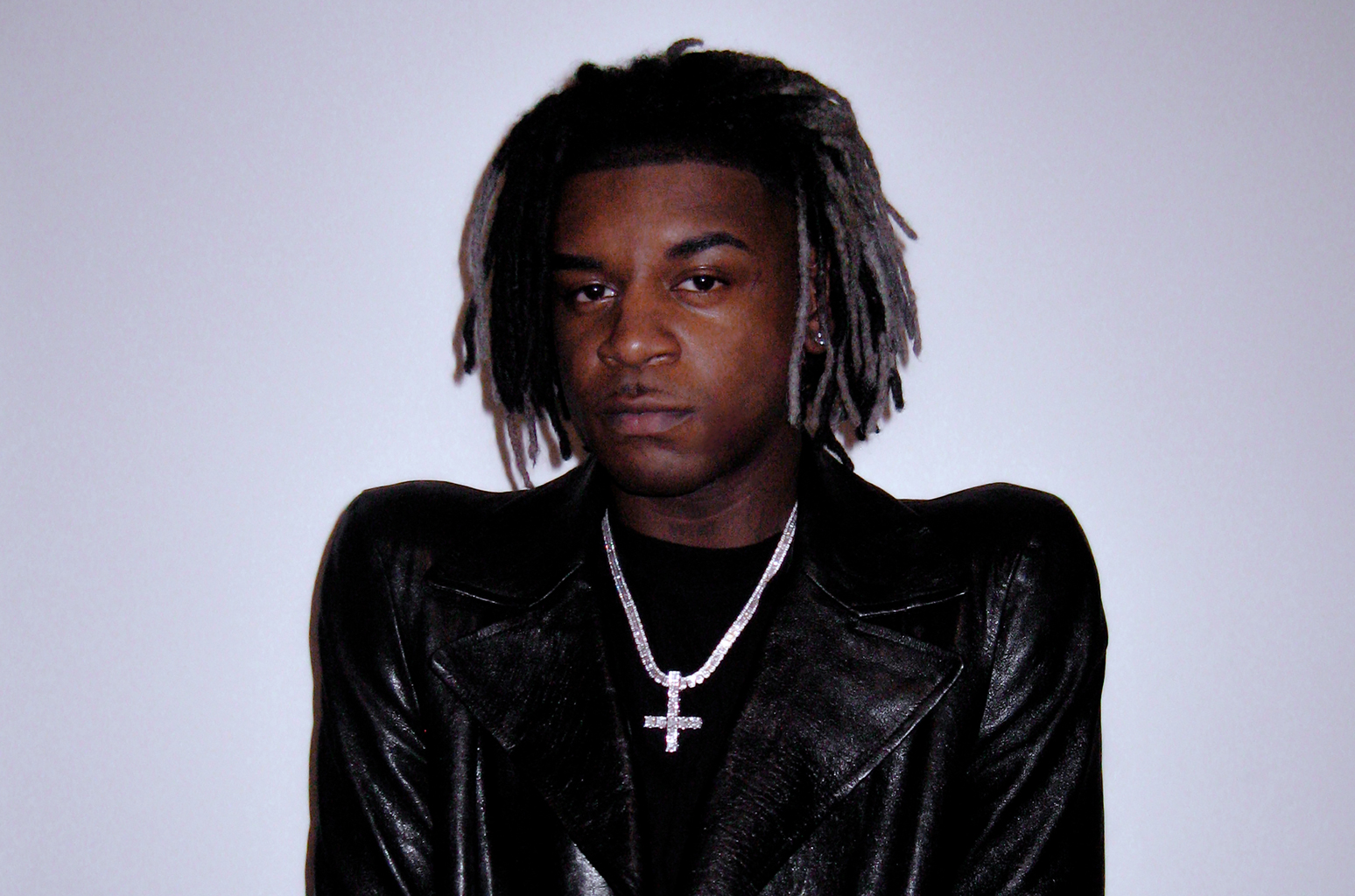
Nine Vicious has never had nice things to say about the Opium label, and now, Ken Carson is clapping back on "9 bitches."
"This song is probably one of the sweetest on the album"
Advertisement


Leave a comment